
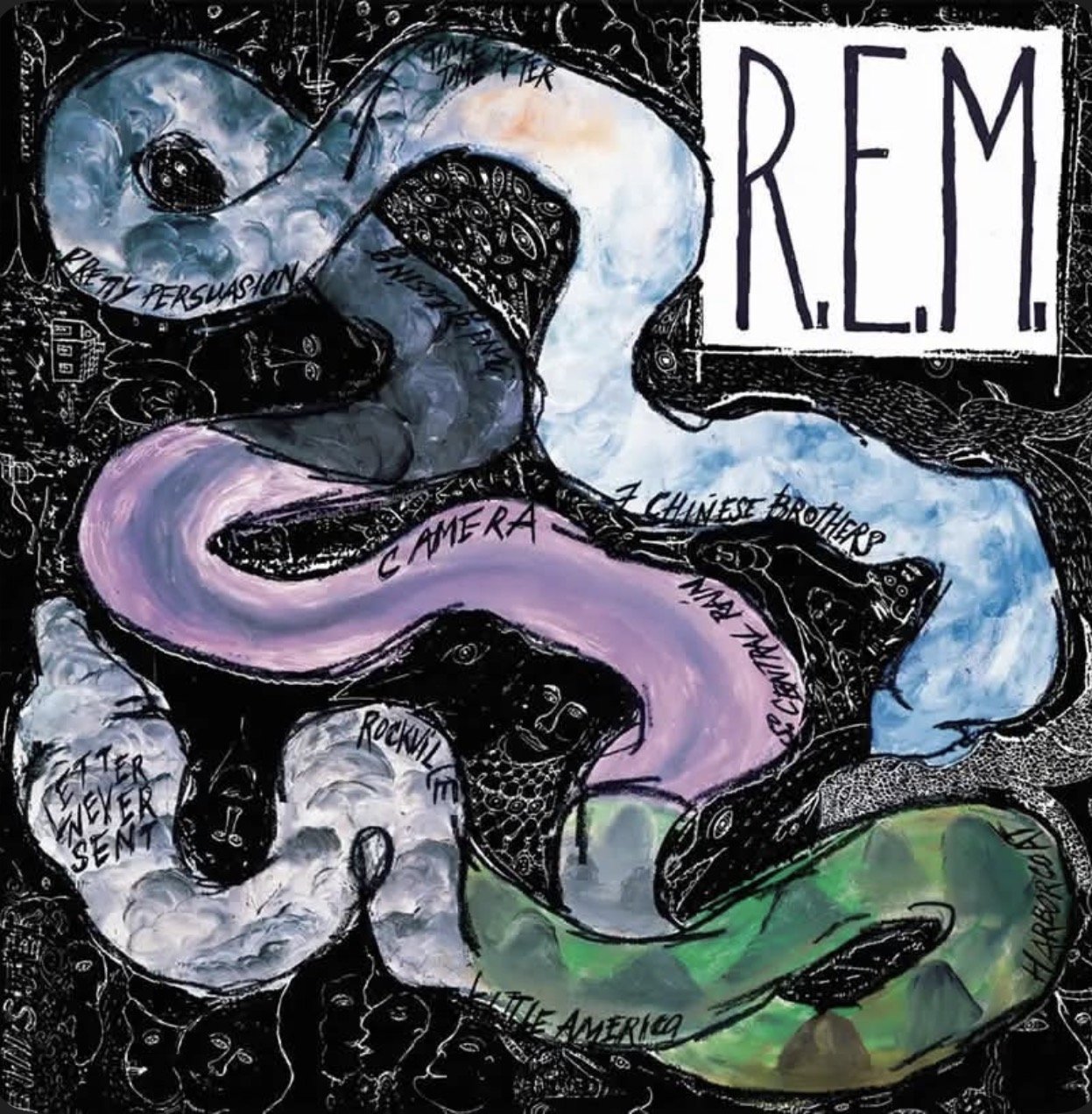
R.E.M. — Reckoning: Definitive Sound Series One-Step Test Pressing (2026)
One of the most enjoyable aspects of the Definitive Sound Series for me has been the element of discovery. In several cases, including Beck’s Morning Phase and the earlier R.E.M. release, these editions have introduced me to music I somehow missed the first time around.
Reckoning became another discovery for me. I had never heard the album before this test pressing arrived. Having been completely won over by Chronic Town and Murmur, I came to it simply curious to hear where R.E.M. went next.
The opening track, “Harborcoat,” answers that question. The distinctive guitar sound is unmistakably R.E.M., but the music has more forward motion than I remembered from Murmur. The driving rhythm section and impassioned vocal pull you quickly into Reckoning’s world, and that sense of engagement is sustained throughout.
The difference from Murmur is not that R.E.M. abandoned the qualities that made that record so compelling. The elegant songwriting, layered guitars, unusual melodic turns, and slightly elusive vocal presentation are all still here. What changes is the emphasis. Reckoning is brighter, more direct, and more outwardly energetic.
What kept impressing me on repeated listening was the inventiveness of the arrangements. These songs are tightly constructed and constantly in motion. Verses, choruses, and connecting passages shift through distinct moods and textures, with each transition revealing something new within the song. These transitions are not decorative. They are part of what makes the songs feel so alive.
Several tracks stood out. “So. Central Rain” is driven by a powerful rhythm section and a strong vocal performance. The song moves through changing chords and moods with remarkable ease, combining considerable musical complexity with an immediate emotional pull.
“Pretty Persuasion” became a particular favorite. It seems to contain almost everything that makes the album work: the chiming guitars, the big rhythmic drive, sharply contrasted sections, and a joyous burst into the chorus. There is a remarkable amount packed into its short running time, but it never feels crowded. The song simply keeps revealing another turn, another texture, another lift.
“Second Guessing” builds its impact through tension. After its count-in, it feels like a tightly wound spring suddenly released. Powerful yet controlled. Urgent without becoming unruly. That balance between force and restraint is one of the pleasures of this record.
Other songs reveal different sides of the album. “Letter Never Sent” moves effortlessly from quieter, more restrained passages into a more expansive sound, creating a wonderfully satisfying sense of lift. “Camera,” opening with bass, percussion, and an exposed lead vocal, brings a more mysterious, almost ominous atmosphere. Its slower pace gives the music room to breathe without disrupting the overall flow.
Another characteristic I have come to associate with early R.E.M. is the way the lead vocal sits within the production. Rather than sounding consistently direct or upfront, it has a more atmospheric quality, at times blending into the surrounding instruments. The backing vocals often sit slightly behind it, adding another layer of perspective and contributing to the slightly elusive character of the presentation. That feels very much like part of the band’s identity.
The guitars, however, remain the defining sonic signature. Their jangling, interwoven quality recalls the Byrds at times, but R.E.M. places that influence in a more modern, driving context, against a bigger beat, more insistent rhythms, and Michael Stipe’s expressive vocal delivery. The influence is clear, but the sound is already distinctly R.E.M.’s own.
The sonic presentation serves the music well. The guitars have clarity, texture, and space, while the drums have real impact and body. Bass is well integrated, the vocals retain their atmosphere, and the production keeps the different elements clearly separated without losing the record’s compact, direct presentation.
The tonal balance is particularly well judged. There is plenty of extension at both frequency extremes, with a rounded, natural top end that never calls attention to itself.
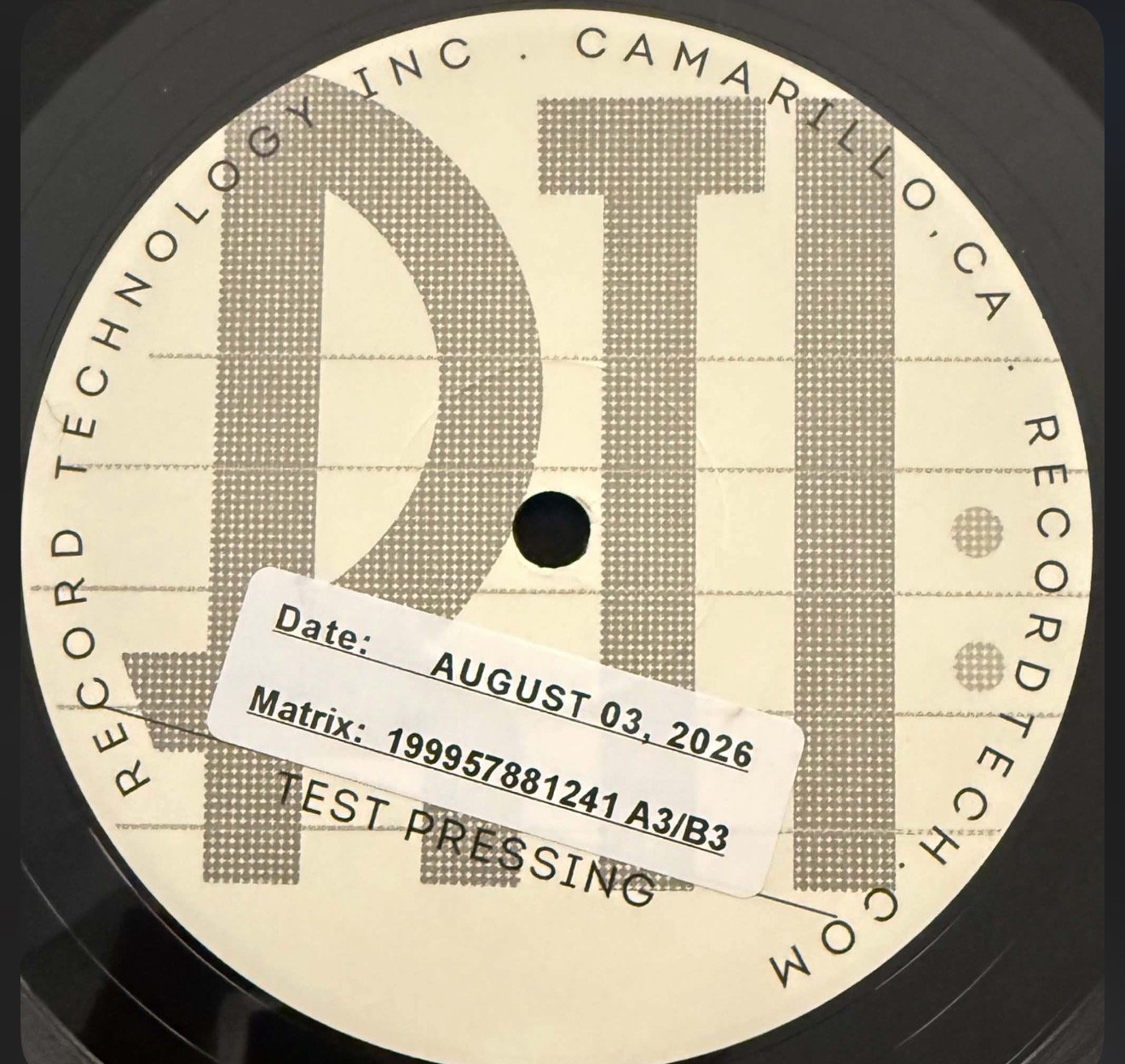
This all-analog One-Step edition was mastered directly from the original analog master tapes by Chris Bellman, who once again seems particularly well matched to R.E.M. He understands how to preserve the drive and impact of the music while keeping the presentation open and natural. Nothing feels exaggerated for effect.
The Neotech VR900-D2 vinyl on this test pressing was silent throughout my listening, allowing subtle details in the recording to emerge without distraction.
While my own taste still leans toward the more introspective and mysterious character of Murmur, Reckoning offers a different kind of pleasure, with a more immediate, extroverted, and genuinely exhilarating character. The more time I spent with it, the more I appreciated how much is going on beneath that directness. Musically compelling and beautifully served by the presentation on this test pressing, it is a record I expect to keep returning to.
![Pines of Rome, Feste Romane, Fountains of Rome: Boston Symphony Orchestra conducted by Seiji Ozawa—DG The Original Source vinyl reissue [2026]](https://images.squarespace-cdn.com/content/v1/55787f0ae4b02f0501debbeb/1786122645101-3NOB71QJI7K5WA89L6M3/IMG_1206.jpeg)